This question is on your midterm. In 4 minutes.
68% of pre-med students fail Organic Chemistry I on their first attempt. Most knew the material — they just never saw it explained the right way.
Question 14 of 40 · 2.5 pts
Which of the following correctly describes the mechanism of
electrophilic aromatic substitution in the nitration of benzene?

A) The electrophile NO₂⁺ attacks the π system, forming an arenium ion intermediate,
   followed by loss of H⁺ to restore aromaticity.

B) The reaction proceeds via an SN2 mechanism at the ring carbon,
   with direct displacement of a hydrogen atom.

C) The nitro group replaces a carbon in the ring via a radical mechanism
   initiated by UV light.

D) Benzene undergoes addition across a double bond,
   forming a stable cyclohexane derivative.
Same question. Now watch it collapse.
Step through each part of the mechanism. This is exactly how our lessons are structured — not memorization, but understanding.
Step 1 of 4
Identify the Mechanism Type
EAS (Electrophilic Aromatic Substitution) is the key. Any time benzene reacts with a strong electrophile, this is your mechanism. The aromatic ring acts as the nucleophile.
Mechanism
Benzene + E⁺ → Arenium Ion → Product
Every lesson in Catalyst follows this exact structure. Visual → Mechanism → Why it matters.
Six modules. One semester in 30 hours.
Built around the exact topics that appear on MCAT, DAT, PCAT, and AP exams. Each node activates as you scroll — just like your understanding will.
Atomic Structure & Bonding
Functional Groups & Nomenclature
Reaction Mechanisms
Stereochemistry
Carbonyl Chemistry
Exam Strategy & Timed Practice
Built by chemists. Proven by outcomes.
Our instructors aren't influencers. They're researchers and former exam graders who built Catalyst because the existing tools weren't working.
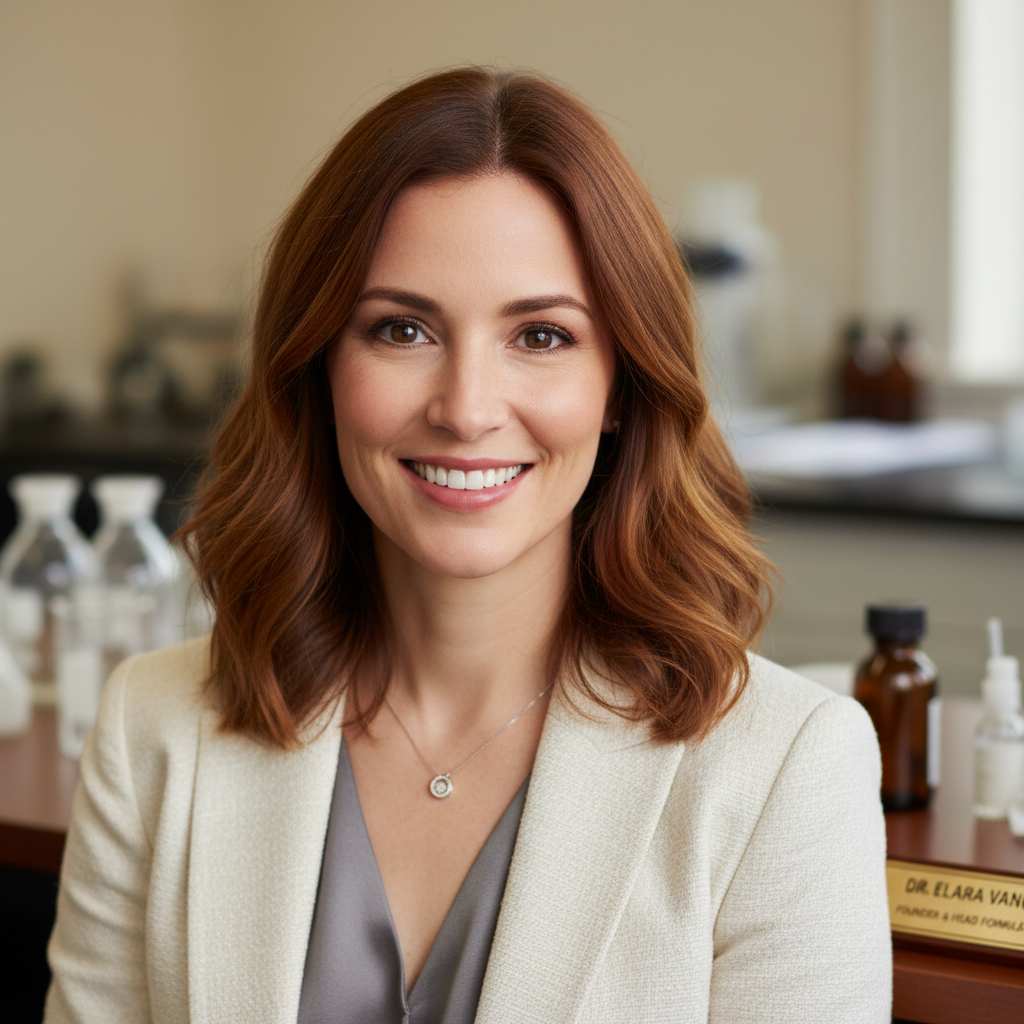
97%
Student pass rate
Dr. Priya Venkataraman
Lead Organic Chemistry Instructor
- PhD Chemistry, Stanford University
- Former MCAT Prep Director, Kaplan
- 12 years university teaching
- 4,200+ students passed

4.9
Average lesson rating
Marcus Osei, PhD(c)
General & AP Chemistry Specialist
- PhD Candidate, Johns Hopkins
- AP Chemistry Exam grader, 3 years
- National Teaching Award 2023
- 1,800+ AP students mentored
Student Outcome Data · Cohort 2023–2025 · n=12,400
92%
of retakers pass after Catalyst
vs. 41% national average
30 hrs
average time to full course completion
Self-paced, mobile-first
40K+
enrolled students since 2022
Across 180+ universities
68%
report feeling confident before their exam
Up from 12% at enrollment
Your first lesson is free.
Start tonight.
Join 40,000+ students who stopped dreading chemistry and started understanding it.